


A Verified Strategic Overview of Attacks, Leadership Deaths, Military Losses, Disinformation, and Global Reactions
On 28 February 2026, the Middle East entered one of the most dangerous military confrontations in decades when Israel and the United States launched coordinated military strikes on Iran. The attacks targeted Iranian leadership, military command infrastructure, ballistic missile programs, and nuclear-related facilities.
Within hours, Iran retaliated with missile and drone attacks across the region, hitting Israeli territory, U.S. bases, and several Gulf states hosting American forces.
In the days since, the conflict has expanded across Iran, Israel, Lebanon, Iraq, the Persian Gulf, and parts of the wider Middle East, producing hundreds to thousands of casualties, severe political shockwaves, and growing fears of a broader regional war.
This report compiles verified information as of today, separating confirmed facts from circulating misinformation.
1. How the War Began (28 February 2026)
The conflict began with a joint U.S.–Israeli military campaign targeting Iranian command structures and weapons programs.
Two operations were reportedly conducted simultaneously:
- Operation Roaring Lion – Israeli strikes
- Operation Epic Fury – United States strikes
Initial targets included
- Iranian military headquarters
- IRGC command centers
- Ballistic missile launch sites
- Nuclear-related facilities
- High-level leadership compounds in Tehran
The operation was widely described by analysts as a “decapitation strike” designed to remove Iran’s top leadership and cripple its military command.
2. Iranian Leadership Killed
The strikes resulted in the largest leadership loss in Iran’s modern history.
Confirmed Dead
1. Supreme Leader
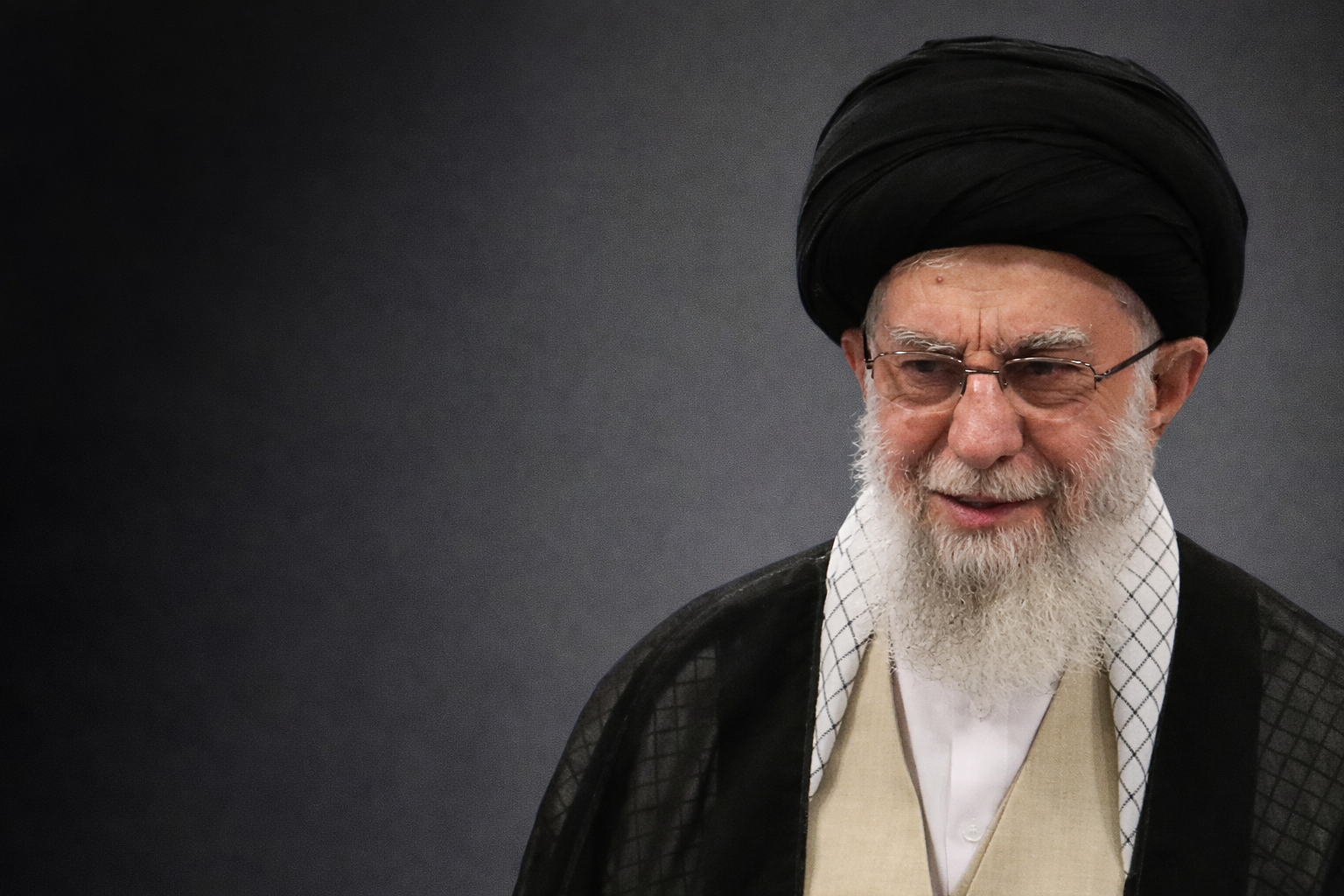
- Ayatollah Ali Khamenei – killed in an airstrike in Tehran.
2. Top Iranian Military Command
- Major General Mohammad Pakpour – IRGC commander
- Major General Abdolrahim Mousavi – Chief of Staff of Iranian Armed Forces
- Ali Shamkhani – Secretary of the Supreme National Security Council
- Mohammad Shirazi – Head of the Supreme Leader’s Military Office
These figures represented the core strategic leadership of Iran’s security state.
Family Members
Iranian media later confirmed that members of Khamenei’s family were also killed in the strike, and his wife later died of injuries.
Estimated Leadership Losses
Some U.S. officials claim up to 48 senior Iranian leaders were killed in the initial strikes.
3. Iranian Military and Civilian Losses
Because Iran has restricted access to information, casualty numbers vary.
Iranian Government Figures
- 900+ deaths
- 6,000+ injured
Human Rights Estimates
- 1,000+ civilians killed
Iranian Red Crescent
- 555 confirmed deaths early in the war
- 747 injured
Major Incident
One of the most controversial strikes hit a girls’ school in Minab, killing around 180 children, according to Iranian media.
Infrastructure Damage
Strikes reportedly hit:
- military bases
- command centers
- missile launch facilities
- internal security offices
- hospitals and healthcare facilities
At least 13 hospitals and medical centers have been damaged in strikes.
4. Israeli, U.S., and Allied Losses
Casualties on the attacking side appear significantly lower so far.
Israel
- 12 deaths
- hundreds injured due to missile strikes
United States
- 6 U.S. troops killed in the conflict so far.
Lebanon
- 70+ killed in strikes linked to the expanding conflict.
5. Iranian Retaliatory Attacks
Following the initial strike, Iran launched Operation True Promise IV, a massive retaliatory campaign.
Targets included:
- Israel
- U.S. bases in the Gulf
- Kuwait
- UAE
- Saudi Arabia
- Iraq
6. Missile and Drone Numbers
Several countries have released official interception data.
Iranian Attacks on the UAE
According to UAE defence authorities:
- 189 ballistic missiles
- 941 drones
- 3 cruise missiles
launched toward UAE territory since Feb 28.
Casualties:
- 3 civilians killed
- 78 injured
Iranian Attacks on Kuwait
Kuwait reported:
- 97 ballistic missiles intercepted
- 283 drones intercepted
Casualties:
- 6 killed
- 18 injured
Iranian Attacks on Israel
Israel reported approximately 170 ballistic missiles launched toward its territory in early waves of retaliation.
Some strikes hit residential areas.
Example:
- Missile strike in Beit Shemesh
- 9 people killed
7. Targets Hit by Israel and the United States
According to Pentagon and allied sources:
- 2,000+ targets struck in Iran
- 4,000+ munitions dropped by Israeli forces
Targets reportedly destroyed
- missile launchers
- air defense systems
- military airfields
- naval assets
- command bunkers
- nuclear research sites
U.S. and Israeli cyber units also reportedly conducted large-scale cyber operations against Iranian radar and communications networks.
8. Estimated Cost of the War So Far
Although governments have not released full financial data, rough estimates can be calculated based on weapons used.
Cost of U.S.–Israel strikes
Typical cost estimates:
- Tomahawk missile: $1.5–2 million each
- JDAM precision bombs: $25,000–$80,000
- F-35 flight hour: ~$40,000
If 4,000 munitions were used:
Estimated cost:
$2–6 billion for the initial strikes alone.
Cost of Iranian retaliation
Typical costs:
- Ballistic missile: $1–3 million
- Shahed-style drones: $20k–$200k
With over:
- 189 missiles
- 1,200+ drones
Estimated cost:
$400 million – $1.2 billion
9. Countries Affected by the War
The conflict has already spread across at least a dozen countries, including:
- Iran
- Israel
- Lebanon
- Iraq
- Saudi Arabia
- UAE
- Kuwait
- Bahrain
- Qatar
- Syria
- Turkey (airspace interception)
- international waters near Sri Lanka
Civilian infrastructure across several countries has been impacted.
10. Disinformation and False Reports
The conflict has produced an enormous wave of misinformation across social media.
False claims circulating
- Claim: Iran launched nuclear weapons
Reality: No evidence. - Claim: Israel destroyed all Iranian nuclear facilities
Reality: Some facilities hit, but nuclear program status unclear. - Claim: Entire Iranian government wiped out
Reality: leadership losses significant but government still functioning. - Claim: U.S. aircraft carriers sunk
Reality: No verified losses. - Claim: 10,000+ deaths already
Reality: No verified source supports this figure.
Because of internet restrictions inside Iran, casualty numbers remain difficult to independently verify.
11. Global Reactions
World leaders have responded with urgent calls for de-escalation.
United Nations
UN officials warned that civilian infrastructure including hospitals is being struck, which violates international law.
India
India called for immediate restraint and diplomatic resolution of the conflict.
NATO
NATO condemned Iranian missiles targeting member states and reiterated support for allied defense systems.
Gulf States
Countries like the UAE and Saudi Arabia condemned Iranian strikes on their territory as violations of sovereignty.
Global Economic Reaction
The conflict has already affected:
- oil shipping in the Strait of Hormuz
- airline routes
- global energy prices
- shipping insurance rates
12. Strategic Consequences
The killing of Iran’s Supreme Leader has created an unprecedented political vacuum inside the Islamic Republic.
Iran has established a temporary interim leadership council while the country prepares for selecting a new Supreme Leader.
The conflict has also exposed the growing role of:
- cyber warfare
- space-based surveillance
- laser air-defense systems
- autonomous drones
Conclusion
The war that began on 28 February 2026 has already reshaped the strategic landscape of the Middle East.
Key realities:
- Iran has suffered severe leadership and military losses.
- Israel and the United States maintain military dominance in the conflict’s early phase.
- Iran has responded with massive regional missile and drone attacks.
- Civilian casualties across multiple countries continue to rise.
The most critical unknown now is whether this conflict remains a limited war, or expands into a full regional confrontation involving multiple powers.
With the death of Iran’s Supreme Leader and escalating attacks across the Middle East, the crisis may mark one of the most consequential geopolitical turning points of the decade.
Iran War 2026–2030: Five Global Scenarios That Could Reshape the World Order


